Travel Tips · 9 min read
Turkey packing list for British holidaymakers (2026)
6 May 2026
A practical, sun-tested packing list built for British travellers heading to Turkey — from Antalya beach weeks to Cappadocia balloon dawns. UK plug truths, lira cash, modesty notes, and what NOT to bring.
The honest truth about Turkey weather (and why it changes your bag)
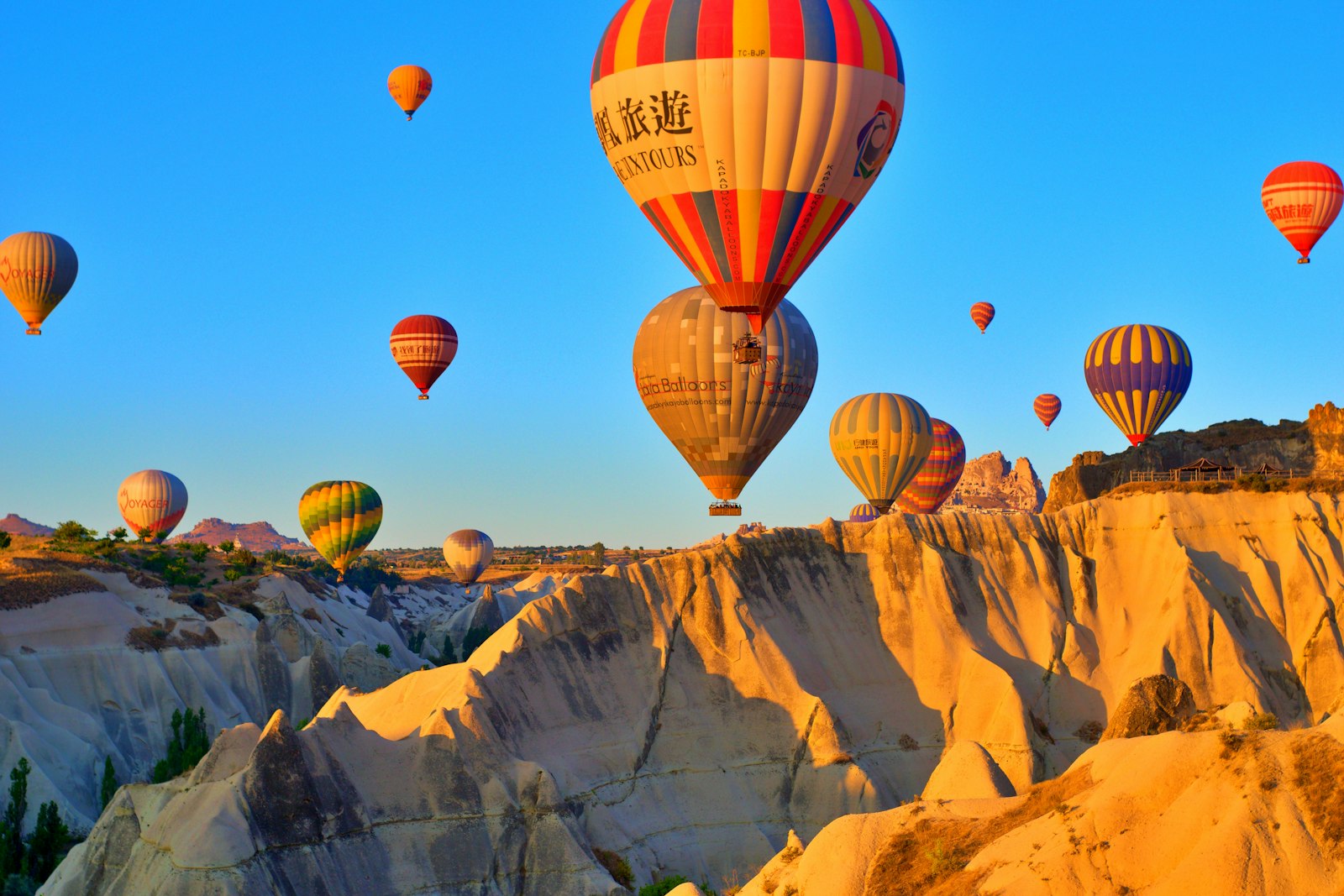
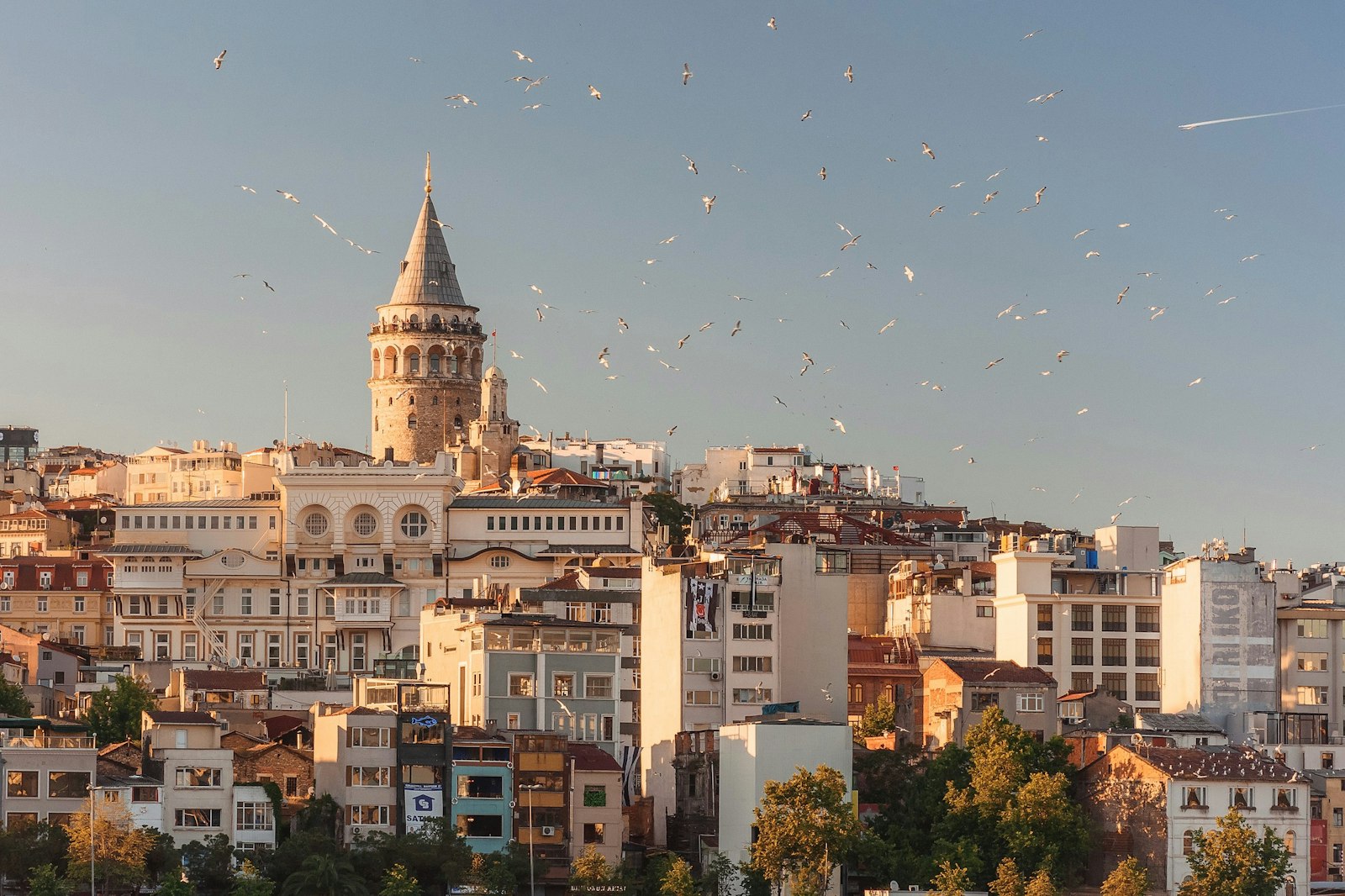
Turkey is not one climate. The Aegean and Mediterranean coasts (Bodrum, Marmaris, Antalya, Kalkan, Fethiye) sit at 32-38°C from late June to mid-September with sea temperatures of 25-28°C — pure summer kit. Istanbul shoulders that heat with humidity and surprise August thunderstorms. Cappadocia drops to 4-9°C at dawn even in May and October because the balloon launches happen at altitude before sunrise. Pamukkale gets baking sun on the white travertines and a cold breeze in the same afternoon. So your bag needs three layers built around your specific itinerary, not a generic Mediterranean checklist. We pack British clients differently for a Bodrum-only week than for an Istanbul-Cappadocia-coast triangle, and you should too.
Clothing: linen, layers, and one rule about modesty
Pack four to six pairs of breathable shorts or linen trousers, six to eight loose cotton or linen tops, and one long-sleeved layer per three days for sun protection on boat trips. Add one warm fleece if Cappadocia is on the itinerary — the basket is freezing at 06:00 in April and October. For mosques (Hagia Sophia, Blue Mosque, Mevlana in Konya, the Suleymaniye), women need shoulders and knees covered and a scarf for the head, men need long trousers and covered shoulders. Scarves are provided at the door but bringing your own is faster and cleaner. Beach towns are completely relaxed — bikinis, swim shorts, summer dresses are all standard. Topless is technically illegal but tolerated at adults-only resorts; we still recommend covering up.
Footwear: the one mistake British travellers make every summer
Flip-flops alone are not enough for Turkey. Cobblestones in Antalya old town (Kaleiçi), Mardin, and Istanbul will destroy thin rubber soles within three days, and the famous Kekova sunken city boat trip has slippery wet steps. Pack: one pair of well-broken-in walking trainers (Cappadocia hikes, Ephesus ruins, Istanbul hills), one pair of sport sandals with a strap (Teva or similar — for boat days, beach town evenings, hot stones at Pamukkale), one pair of flip-flops (hotel pool only), and one pair of smart-casual shoes if you have a special-occasion dinner planned. Ephesus alone is 3km of marble paving — cheap sandals will give you blisters by lunchtime.
Toiletries, sun and sea: what UK pharmacies underprepare you for
Turkish summer sun is harder than UK skin remembers. Pack SPF 50 broad-spectrum (Boots own-brand is fine, La Roche-Posay or Garnier Ambre Solaire if you burn) and a 200ml minimum — you will use it. Add aftersun, a wide-brim hat, polarised sunglasses, and reef-safe sunscreen if snorkelling around Kekova or the Blue Lagoon at Olüdeniz. Mosquito repellent with 30%+ DEET handles dawn and dusk on the coast. Bring rehydration sachets (Dioralyte) — Turkish food is excellent but the heat itself causes fatigue more than people expect. Skip: shampoo and shower gel (every hotel provides them and Migros supermarkets sell familiar brands cheaper than Boots).
Tech, plugs and the British charger problem
Turkey uses Type C and Type F plugs (Europlug, two round pins) at 230V/50Hz. UK three-pin plugs do not fit. Pack two universal travel adapters minimum (one for the room, one for the bedside). UK voltage is identical so phones, laptops, hairdryers and clippers all work — no transformer needed. Bring: a power bank for long balloon-and-museum days, a portable WiFi router or buy a Turk Telekom tourist SIM at the airport for £15/30 days/30GB (cheaper and faster than UK roaming), and a kindle if you read at the pool. Skip: UK kettles, plug-in radios, anything with a built-in UK plug that cannot be adapted.
Money, documents and the cash question
Turkey is largely card-friendly in tourist areas — Visa and Mastercard work everywhere from beach clubs to bazaars — but small kiosks, dolmuş minibuses, hammam tips and rural Cappadocia village taxis are cash-only. Bring 100-200 GBP in cash to exchange at a Yetkili Müessese (licensed bureau) on arrival; airport rates are 2-4% worse than central exchanges in Antalya, Bodrum or Sultanahmet. Use UK debit cards (Chase, Starling, Monzo) for the best ATM rates — avoid the Dynamic Currency Conversion prompt and always choose lira. Documents: passport with 150 days validity from entry date, ATOL certificate or holiday booking confirmation, EHIC/GHIC card (limited use in Turkey but worth packing), travel insurance with at least 5 million GBP medical cover, and a printed copy of your hotel address in Turkish for taxi drivers.
What to leave at home (and what we wish more clients packed)
Leave: smart suits (Turkey is dressy-casual), heavy paperback novels (Kindle), full-size hairdryers (every hotel has one), expensive jewellery (theft is rare but petty pickpocketing in Istanbul is real), and large bottles of water (tap water is safe to brush teeth, sealed bottled water is 30p in supermarkets). Bring more of: a microfiber quick-dry towel for boat trips and waterfalls, a compact daypack for ruins and bazaars, blister plasters (Compeed beats anything Turkish pharmacies sell), one nice outfit for a fish meze dinner on the Bosphorus or Kalkan harbour, and a soft-cover notebook — the views from Cappadocia at sunrise will make you want to write something down.
Plan with us
Want this kind of advice for your own trip?
Tell us what you have in mind and our concierge will write you a tailored Turkey plan within 24 hours.
Plan my trip